Saturday, June 5, 2021

Benjamin Franklin House

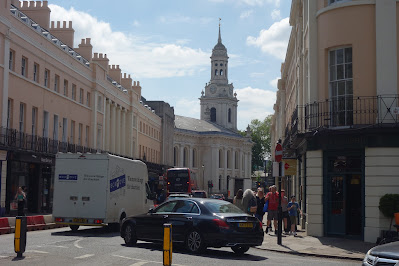
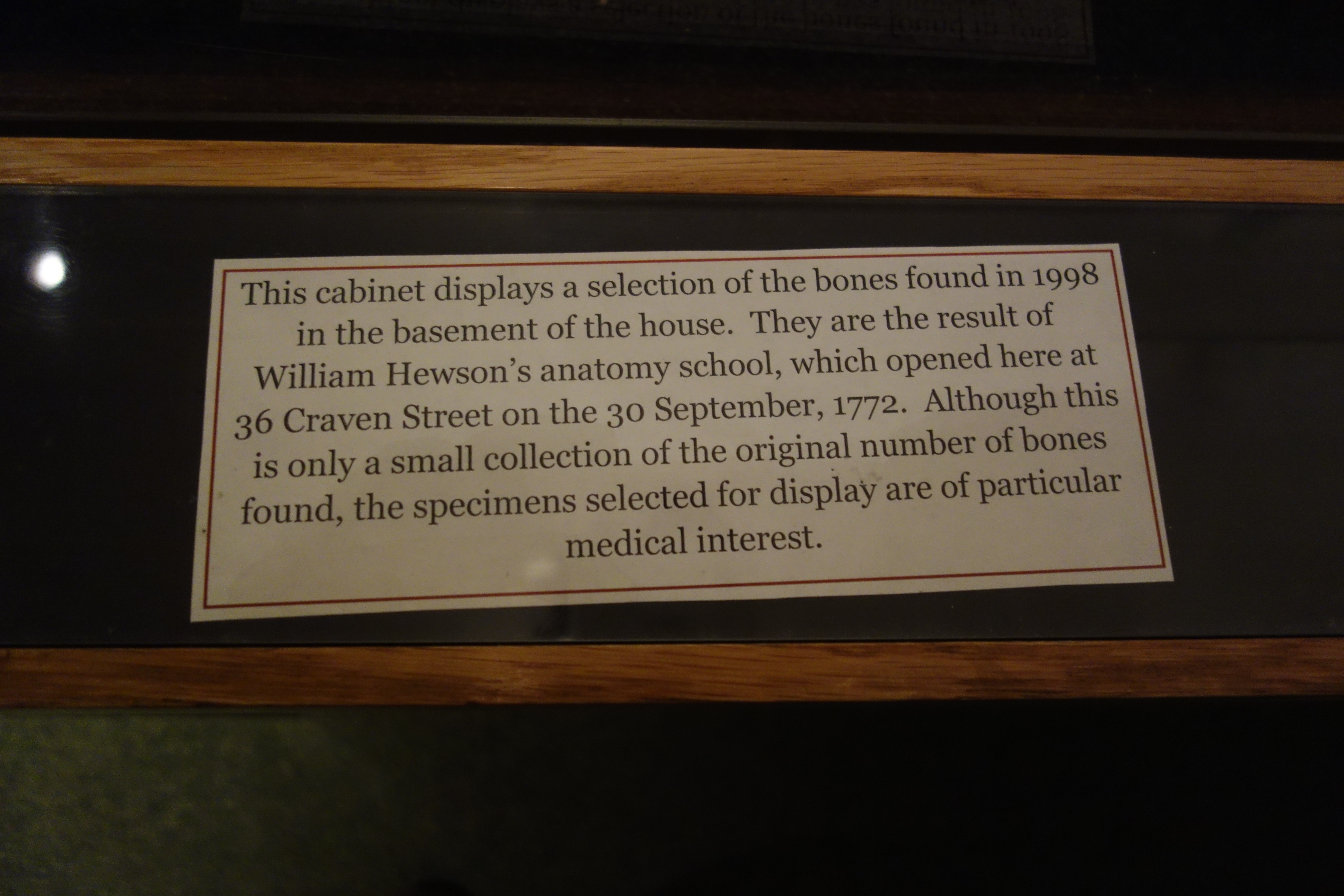
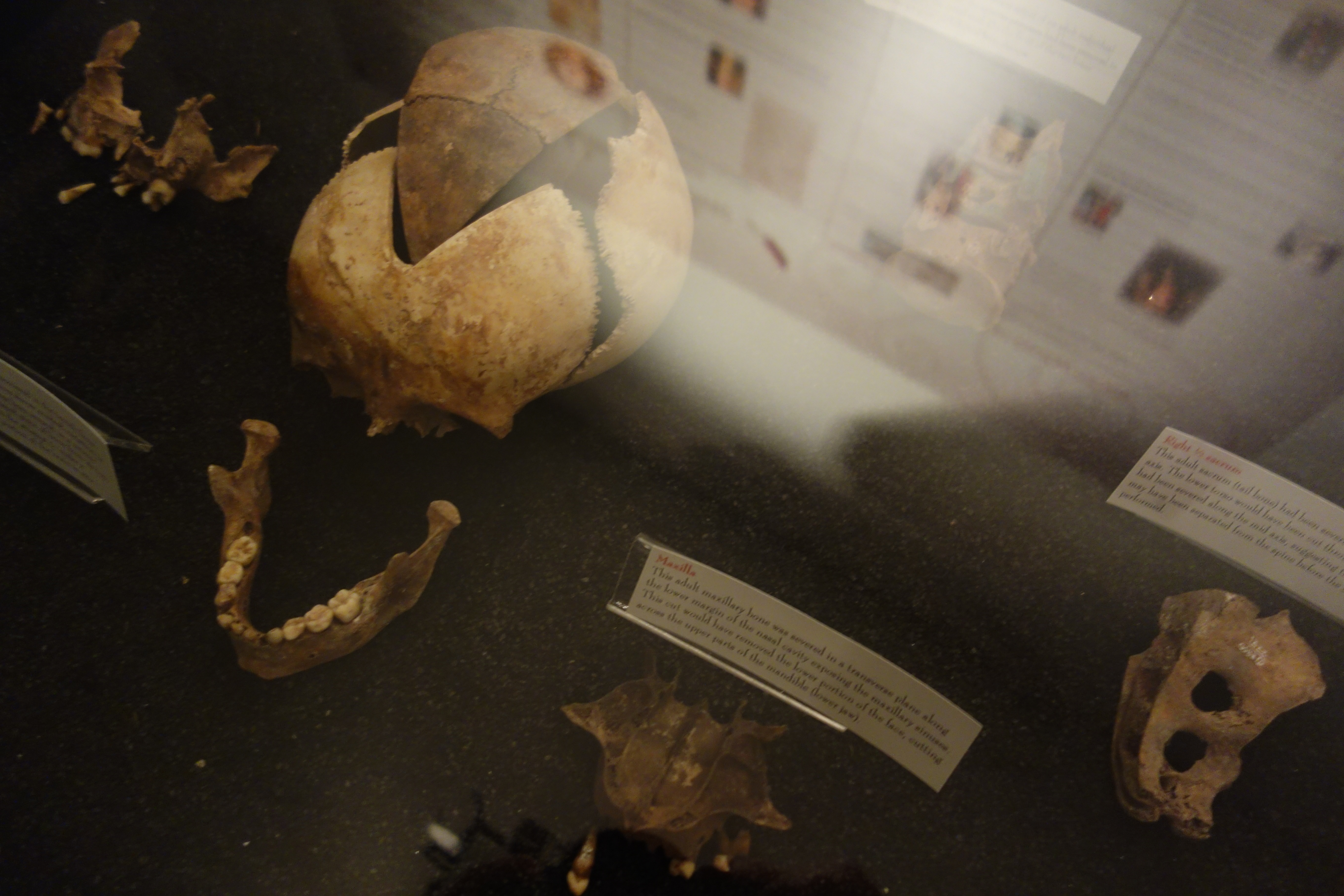
Today we visited the Benjamin Franklin House in London, the last-standing residence in the world of the revered U.S. Founding Father.  Situated close to Trafalgar Square, it dates from 1730 and Franklin lived and worked here for sixteen years, ultimately returning to the U.S. in 1775.  The house has its original floorboards, ceilings and staircases.  When it was being renovated in the 1990s, over 1000 bones were found in the basement from at least 15 different people. The bones dated to Franklin's time.  It is believed there was once an anatomy school run in the basement by William Hewson, the son-in-law of Franklin's landlady.  The tour was a highly informative and entertaining multi-media show including a costumed guide performing as Polly, the landlady's daughter and dear friend of Franklin.  I am a big fan of Ben Franklin, the brilliant polymath who gave us many erudite quotes including "lost time is never found again" and "haste makes waste".


Facade of Franklin's house.


Also on Craven Street is this residence once occupied by
Herman Melville, American author of Moby Dick.

A nearby watering hole.

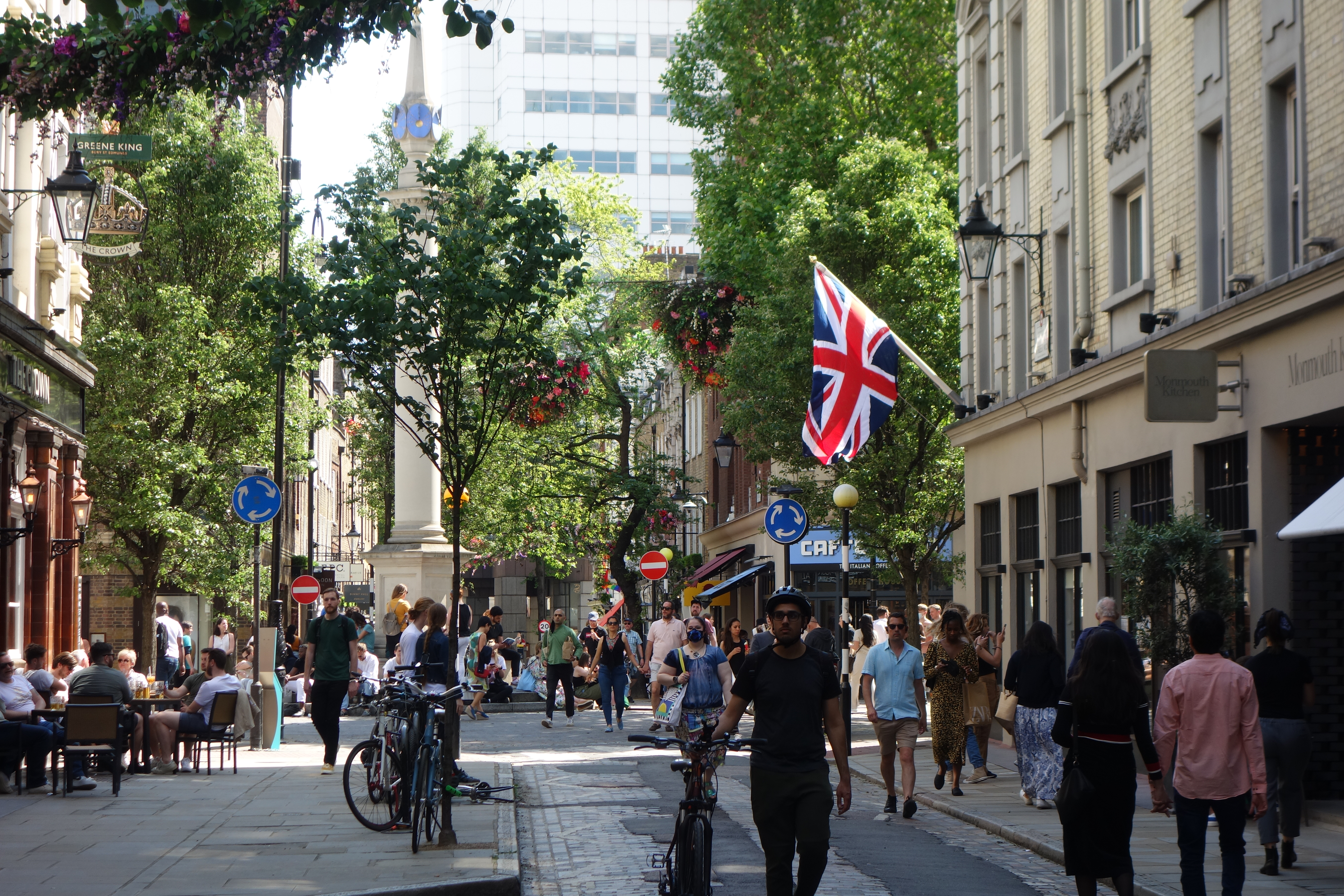
The lively Seven Dials neighborhood.

Seven Dials Monument, where
7 roads converge.


Diners in Soho.


Thursday, June 3, 2021

Ranger's House

Today we visited Ranger's House, built circa 1722, which houses the renown Julius Wernher Art Collection.  It is located in the beautiful Crooms Hill neighborhood of Greenwich.  I never tire of exploring grand Georgian homes with their soaring ceilings and grand ballrooms, especially when one is filled with beautiful jewelry, ceramics, bronzes, paintings and tapestries from the past.  Alas, no photography was allowed in Ranger's house.  One of the joys of visiting these historic homes is meeting the volunteer docents, usually older British women, who are always delighted to share their passion for British history, architecture and art.

Ranger's House Front View


Ranger's House, Side View

What is a spring English garden without roses?

Ranger's House, Back of the Building 

An entryway to a home on Crooms Hill

Our Ladye Star of the Sea Roman Catholic Church,
Circa 1846-1851, on Crooms Hill

The always-busy Greenwich town center

Wednesday, June 2, 2021

2 Temple Place

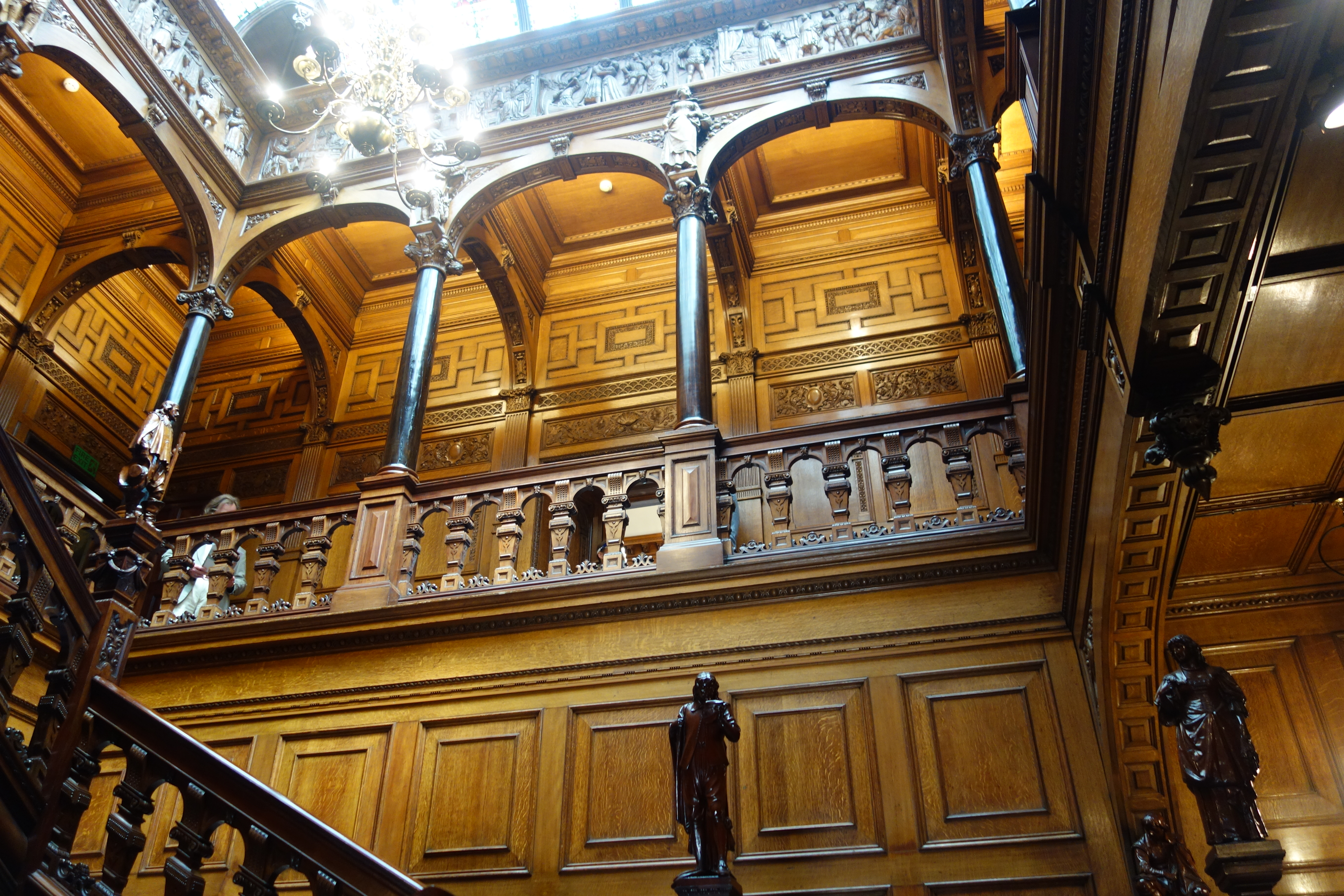
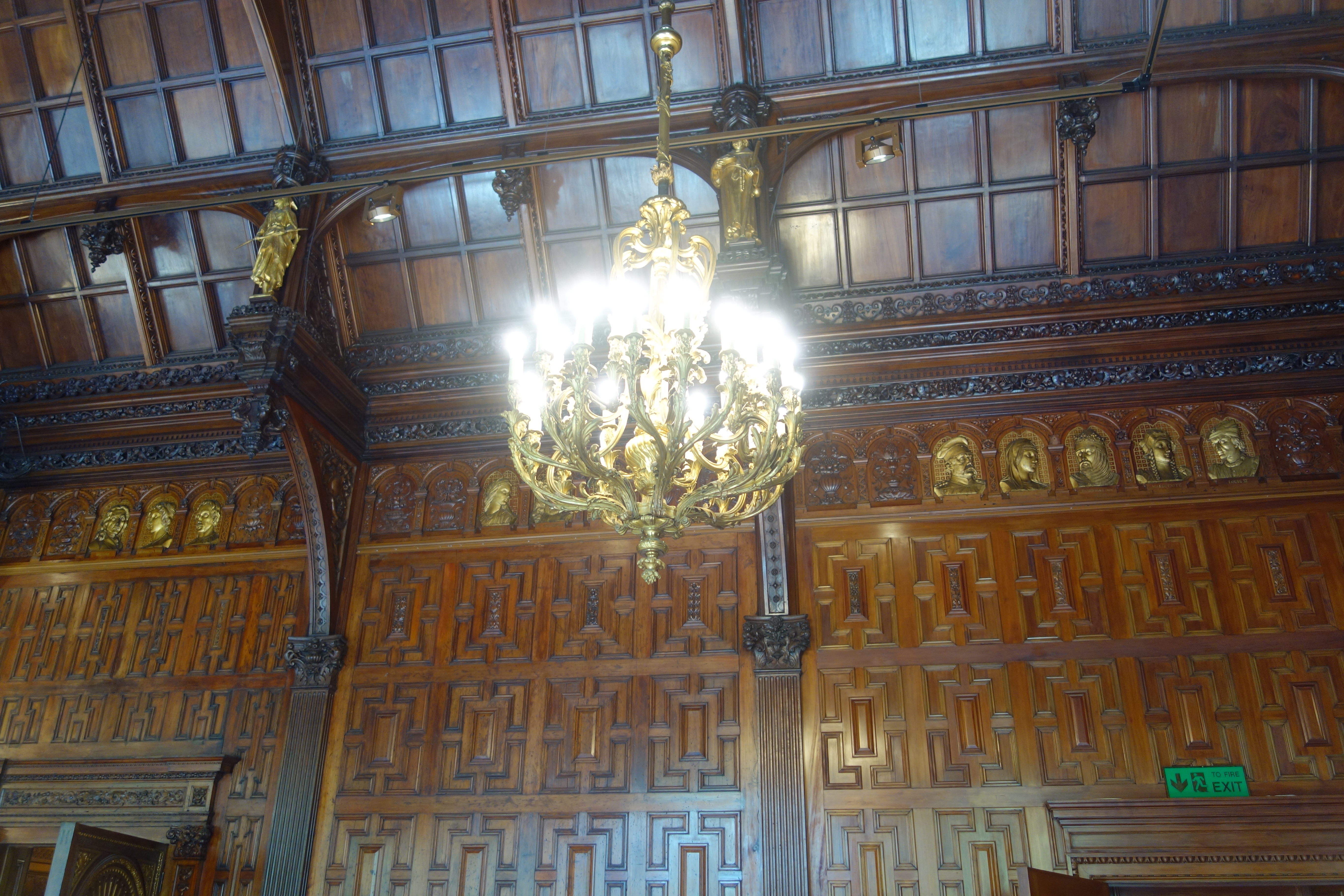
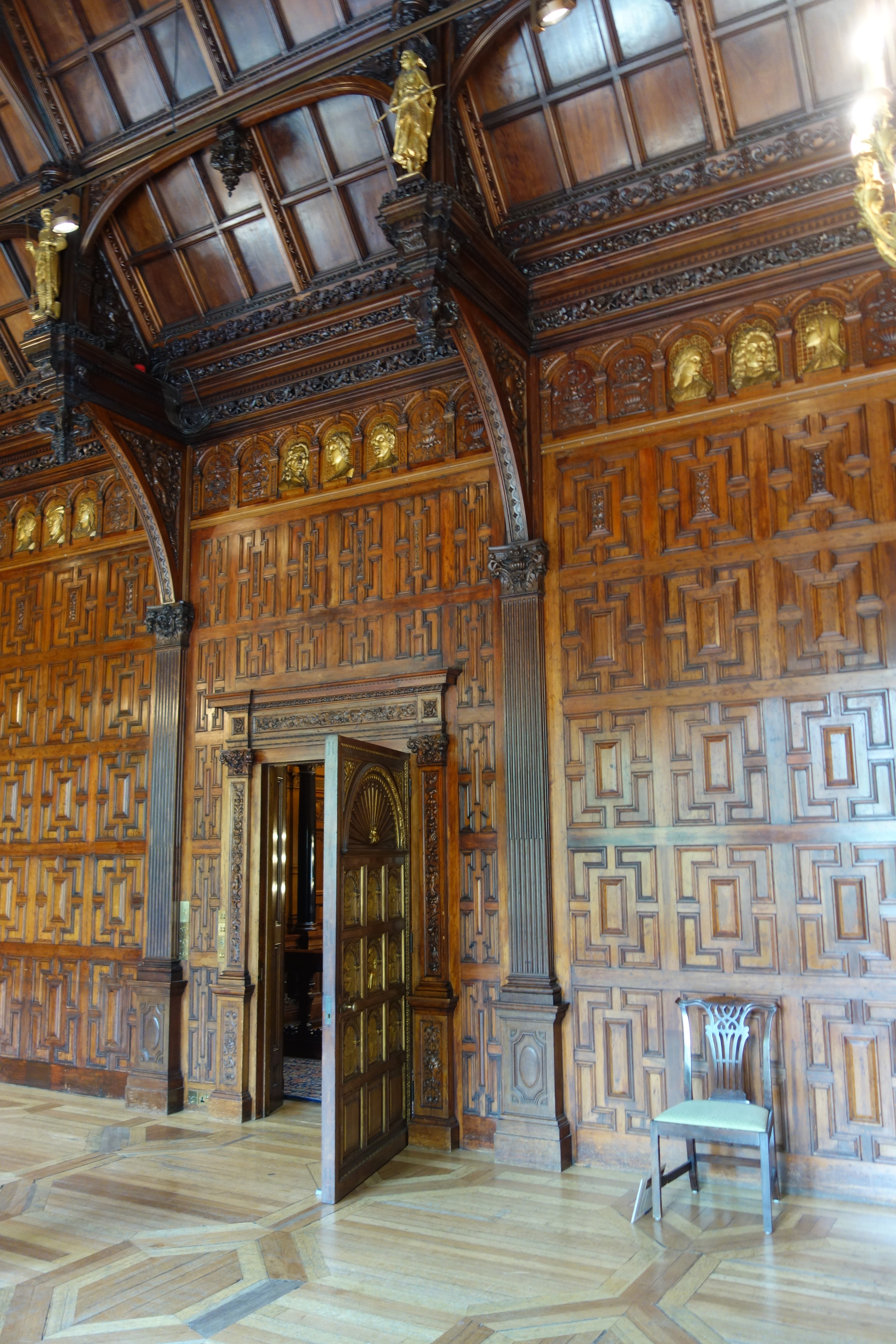
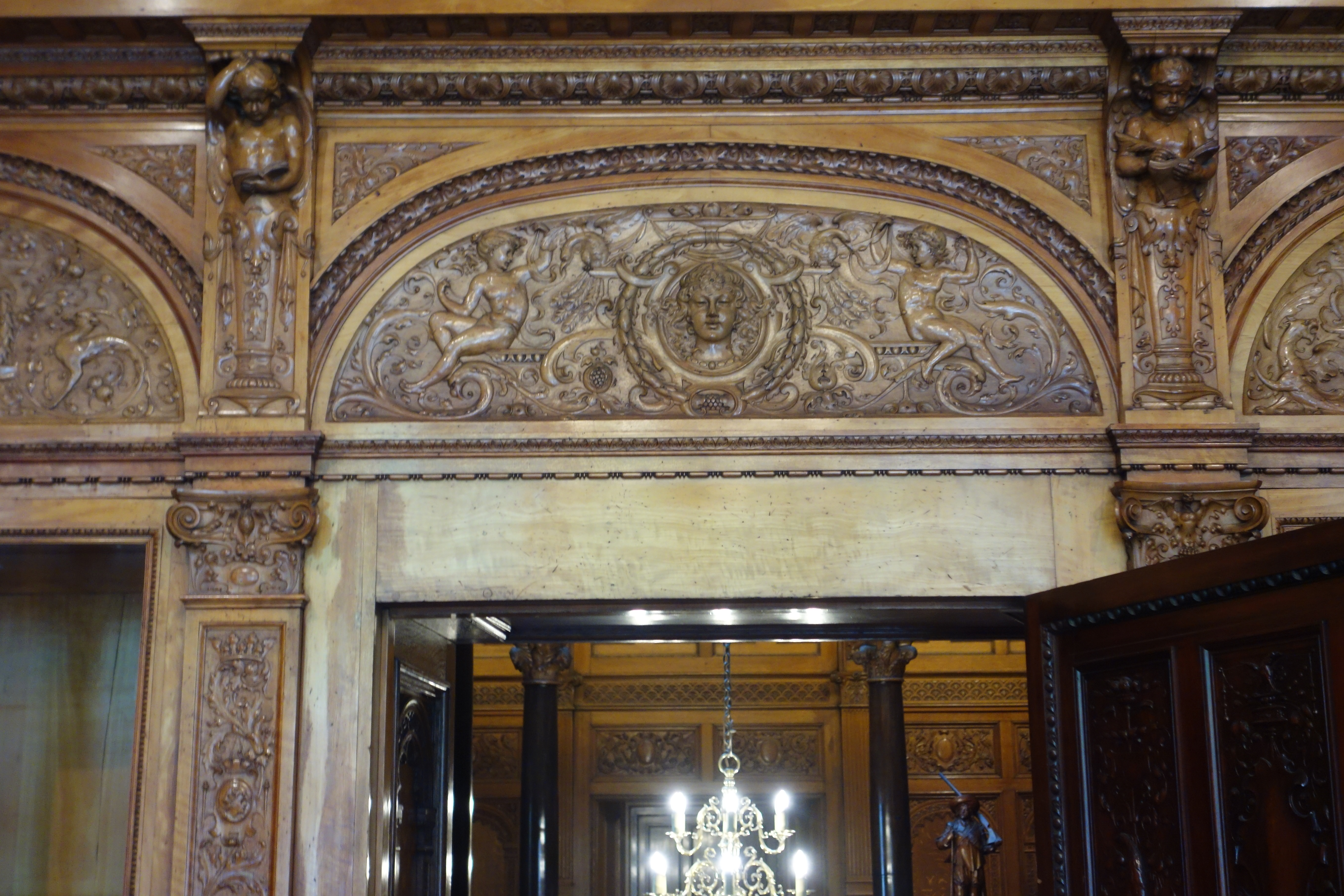
Today we visited 2 Temple Place, a building in central London known for its architecture and opulence.  Completed in 1895, it was built as a workplace for William Waldorf Astor who, at one time, was the richest man in the United States.  Waldorf Astor moved to the UK in 1891 and become a British subject.  The building's interior, with its abundant use of woods, including ebony, mahogany and oak, is magnificent. 


Great oak staircase
rising from a marble, jasper and onyx floor


Stained-glass roof over atrium

The gallery has six newel posts with wood-carved figures
representing characters in American literature 

Beautiful wood-paneled walls everywhere

A frieze of 82 characters from Shakespeare's Othello,
Henry the VIII, Antony & Cleopatra and Macbeth


There are ten pillars of solid ebony


A statue of Hester Prynne
from Hawthorne's novel The Scarlett Letter


The door leading from the atrium to the office

Door detail depicting characters from King Arthur


Stained-glass window in the office


This was Astor's office

A niche in the office has a statue of Florence Nightingale

The library room looking into atrium


Windows in the library


Yes, those are my shoes before I descended the spiral staircase